
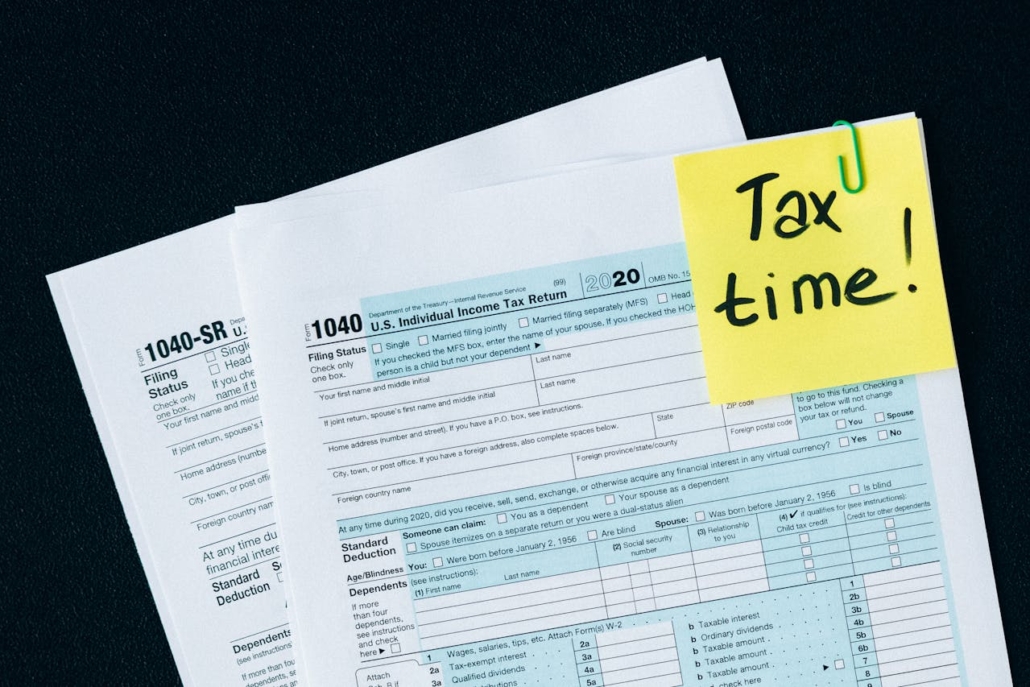
When people hear the word “taxes,” most immediately think about filing a return sometime in the spring. They gather their documents, hope for a refund, and breathe a sigh of relief once everything is submitted. It’s understandable. Filing a tax return is the most visible part of the process.
But after more than twenty years working in tax planning and helping individuals and business owners navigate the tax system, I can tell you that filing the return is actually the least important part of the equation when it comes to saving money. By the time someone sits down to prepare a return, most of the financial decisions that determine the tax bill have already happened.
A tax return is simply a record of the past. It documents what occurred during the year. The real opportunity to reduce taxes happens much earlier through thoughtful planning and strategic decisions made while the year is still in progress.
Over the years I have seen this play out countless times. Clients often come in during tax season hoping there is something that can be done to reduce what they owe. Sometimes there are still small adjustments that can help, but often the truth is that the biggest opportunities passed months earlier. That is why I always emphasize that taxes should be thought about throughout the year rather than only during filing season.
One of the most common misunderstandings people have is assuming tax preparation and tax planning are the same thing. They are actually very different.
Tax preparation focuses on compliance. It ensures your return is accurate and filed properly according to the law. It is an essential service, but it is largely historical. The work involves documenting what has already happened.
Tax planning, on the other hand, looks forward. It examines your financial situation before the year ends and considers how different choices may affect your tax liability. That might include decisions about when income is received, when expenses are taken, how retirement contributions are structured, or even how a business itself is organized.
A helpful way to think about it is that tax preparation records the past, while tax planning shapes the future.
When planning happens proactively, the results can be significant. Sometimes the strategies are quite simple, but they require awareness and timing.
For business owners in particular, how income is structured can make a meaningful difference. The entity a business operates under, whether it is a sole proprietorship, LLC, partnership, or S Corporation, affects how income is taxed. In certain situations, electing S Corporation status for an LLC can reduce exposure to self employment taxes. However, that decision needs to be evaluated carefully because it comes with additional requirements such as payroll and reasonable salary rules. It is not a universal solution, but when implemented properly it can be a very effective strategy.
Another area where planning makes a difference involves the timing of income and expenses. The tax code allows for flexibility in certain circumstances. If a business expects significantly higher income next year, it may make sense to accelerate deductions this year. On the other hand, if this year’s income is unusually high, certain investments or equipment purchases might help reduce taxable income.
Many clients are surprised to learn how much impact timing alone can have. Sometimes shifting a decision by only a few weeks can change the tax outcome in a meaningful way.
Retirement planning is another area that often gets overlooked as a tax strategy. Most people think of retirement accounts purely as long term savings tools, but they can also be powerful ways to reduce current taxable income. Options such as SEP IRAs or Solo 401(k) plans allow self employed individuals and business owners to contribute significant amounts while also lowering the income that is subject to tax for the year.
I have watched many clients build strong retirement savings over time while also benefiting from these tax advantages along the way. It is one of those rare situations where planning helps both the present and the future.
Another thing I notice regularly is that people unintentionally miss deductions simply because they are unaware of them or because their record keeping is inconsistent. Business expenses such as professional education, mileage, software subscriptions, equipment purchases, and even certain home office costs are sometimes overlooked. When documentation is maintained properly, these deductions can add up quickly.
I remember one business owner who came to see me several years ago after working with the same preparer for nearly a decade. They had always assumed that the amount they paid in taxes each year was simply unavoidable. After reviewing their financial situation more closely, we realized their business structure was not ideal for their level of income.
By restructuring the business entity and implementing a reasonable salary approach, along with adjusting how certain expenses were handled, we were able to reduce their annual tax liability by more than eleven thousand dollars. There was nothing aggressive or questionable involved. It was simply a matter of applying the tax rules thoughtfully and planning ahead.
What surprised them most was realizing that those opportunities had been available for years.
Over time I have also noticed certain patterns that tend to create unnecessary tax problems. Many people wait until tax season to ask planning questions, which often limits the options available. Others mix personal and business finances, making it difficult to track legitimate deductions. Sometimes estimated tax payments are overlooked, leading to unexpected penalties.
Perhaps the most common issue is assuming that the same approach will work forever. Businesses grow, income levels change, and tax laws evolve. A strategy that made perfect sense five years ago might not be the most effective approach today.
Experience plays an important role in navigating these situations. After working in this field for more than two decades, I have had the opportunity to see how tax rules apply across many different circumstances. I have worked with small businesses just getting started, established professionals with growing income, and families managing significant financial changes.
Every situation is unique, and thoughtful planning requires more than simply knowing the rules. It involves understanding how those rules interact with personal goals, business growth, and long term financial stability.
That is one of the aspects of this work that has always been meaningful to me. Taxes are not just numbers on a form. They reflect people’s businesses, their livelihoods, and their plans for the future.
If there is one piece of advice I give most often, it is simply this. Do not wait until tax season to think about taxes.
Planning ahead allows you to make decisions intentionally rather than reacting to a tax bill after the fact. Even relatively small adjustments made during the year can lead to meaningful savings.
Just as importantly, proactive planning brings a sense of clarity. When you understand where you stand and what options are available, the entire tax process becomes far less stressful.
After all these years working in tax planning, I still enjoy helping people understand how the system works and how they can approach it more strategically. The tax code is complex, but it also contains many opportunities for those who take the time to plan thoughtfully.
Taxes will always be part of financial life. But with preparation and the right strategy, they do not have to be something that catches you by surprise each year. Instead, they can become just another part of a well managed financial plan.
Leave a Reply
Want to join the discussion?Feel free to contribute!