
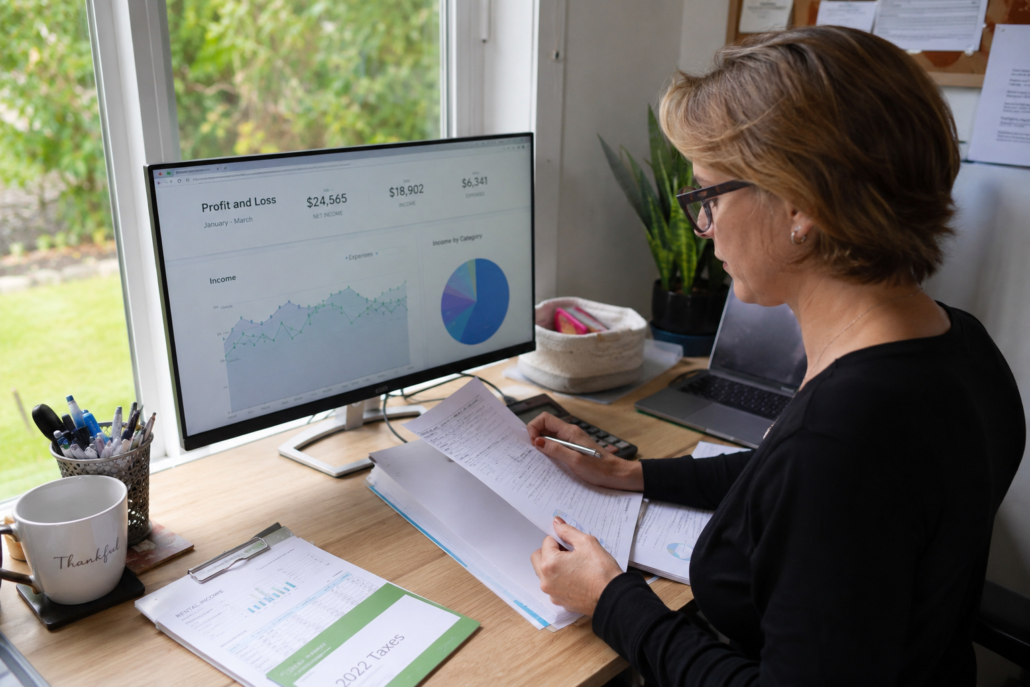
One thing I hear all the time is, “I’ll worry about taxes when tax season gets here.”
I understand why people think that way. Once April is behind us, most business owners are focused on running their business, serving customers, and trying to grow. Taxes are usually the last thing on anyone’s mind.
Ironically, that’s exactly why this is one of my favorite times of year to sit down with clients.
By the middle of the year, we have enough information to see how your business is performing, but there’s still plenty of time to make adjustments that can have a real impact on your tax bill. Waiting until January often means we’re simply documenting what already happened instead of helping you make decisions that could save money.
Every year I meet with business owners who are surprised by how much their income changed. Sometimes business is booming, which is wonderful until they realize they weren’t setting aside enough for taxes. Other times, revenue is lower than expected, and they’ve been making estimated payments based on a much stronger year. Neither situation is ideal, but both can usually be addressed when we catch them early enough.
I also like to use this time to review bookkeeping and expenses. It’s amazing how often I find deductions that aren’t being tracked consistently. Whether it’s mileage, software subscriptions, business meals, or equipment purchases, small expenses have a way of adding up over the course of a year. Good records today make tax season much less stressful later.
Another conversation we often have is about upcoming purchases. If you’re planning to replace equipment, buy new computers, or invest in your business before the end of the year, timing can matter. There are often opportunities to structure those purchases in a way that provides better tax benefits, but those conversations need to happen before the purchase—not after.
One of the biggest misconceptions about tax planning is that it happens when you prepare your tax return. In reality, tax preparation is looking backward. Tax planning is looking ahead.
That’s why I encourage my clients to think of me as more than someone who files returns once a year. My job is to help you make informed financial decisions throughout the year so there are fewer surprises and more opportunities.
If you’ve never had a mid-year tax review, I think you’ll be surprised how valuable it can be. Even if we don’t make major changes, you’ll have a much clearer picture of where your business stands and what to expect when tax season arrives.
Planning ahead is almost always less expensive—and far less stressful—than trying to fix things after the year is over.
If it’s been a while since we’ve talked, or if your business has changed this year, I’d love to sit down with you and review where things stand. A simple conversation now can often make a meaningful difference by the time we prepare your next return.
Leave a Reply
Want to join the discussion?Feel free to contribute!